Taiwan & Taipei — Everything I Wish I'd Known Before Going
In February 2026, Sina and I travelled to Taiwan for the first time. We only stayed for 8 days — which is way too short.
Taiwan is one of those places where the more you dig, the more you find. And we dug. Hard.
I've never (!) come home from a trip with as many pins on Google Maps as I did from Taipei. Bars, coffee shops, stationery stores, night markets, breakfast spots, tea houses — the list kept growing every single day. It's a city that generates recommendations faster than you can follow them up.
Here's what we came home with.
11 Things About Taiwan (and Taipei) That Most People Don't Know
1. It's one of the safest countries in the world. Not just "feels safe" safe. Statistically, measurably, leave-your-laptop-on-the-café-table-and-go-to-the-bathroom safe. It changes the whole rhythm of travel. You relax in a different way.
2. The food culture runs deeper than night markets. Yes, the night markets are incredible (more on those later). But the real obsession in Taiwan is provenance. Where did the tea come from? Which mountain? Which elevation? Which harvest? People care about their food and drink the way Europeans care about wine, and it shows in every sip and bite.
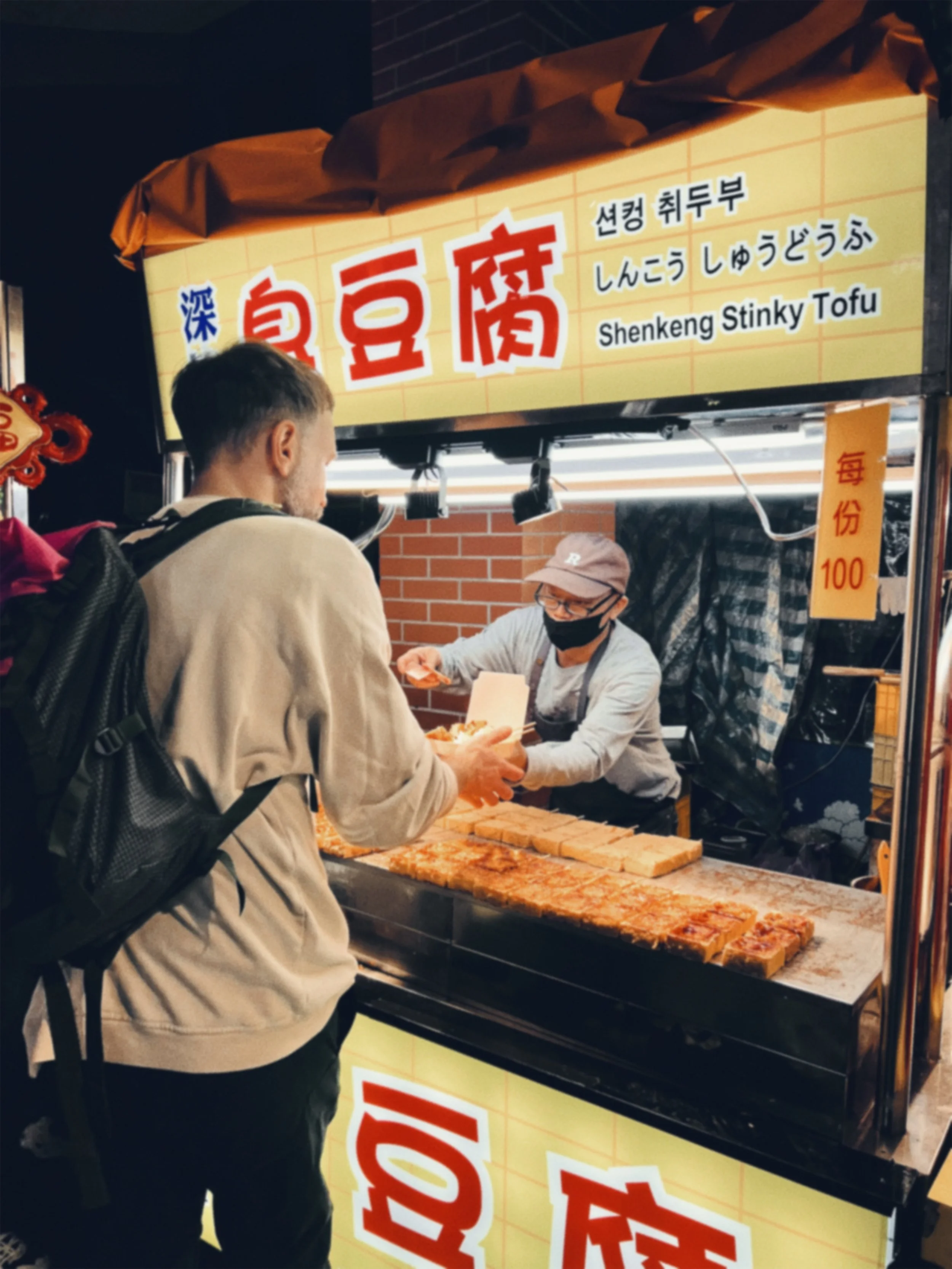
3. Food is so central to Taiwanese culture that "have you eaten yet?" is a way of saying hello. 吃飽了嗎 — chī bǎo le ma — literally "have you eaten your fill?", used as a casual greeting the way we'd say "how are you?" And the queue in front of a good stall isn't a deterrent — it's part of the experience. Waiting in line is a small ritual of anticipation, a signal that what's coming is worth it. Nobody seems impatient. Nobody cuts. You just stand there, build up the Vorfreude, and trust the process.
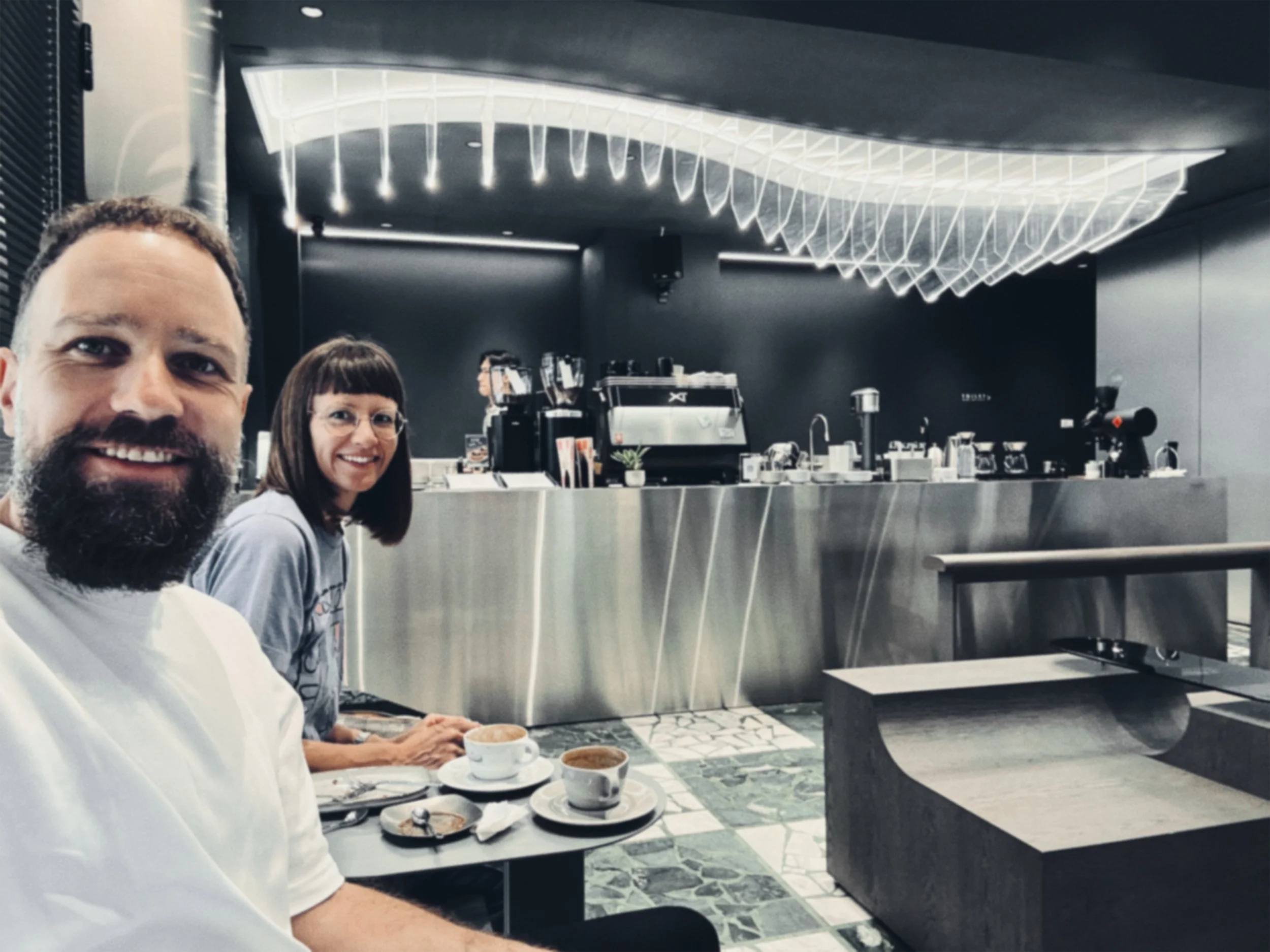
4. Taipei has world-class coffee — and it's been that way for years. Taiwan has one of the most developed specialty coffee scenes in Asia, and Taipei punches well above its weight globally. Not in a try-hard way.
5. Bubble tea was invented here. Specifically in Taichung, at Chun Shui Tang, in the 1980s. But It tastes exactly like it should — which is to say, much better than anything you've had anywhere else.
6. The east coast is a completely different country. The moment you hit the Pacific side, the whole thing changes. Fewer people, dramatic cliffs, Taroko Gorge (which unfortunately was closed during our stay), and a slower pace that makes western Taiwan feel frantic by comparison. If you only stay in Taipei, you've missed a significant part of the country.
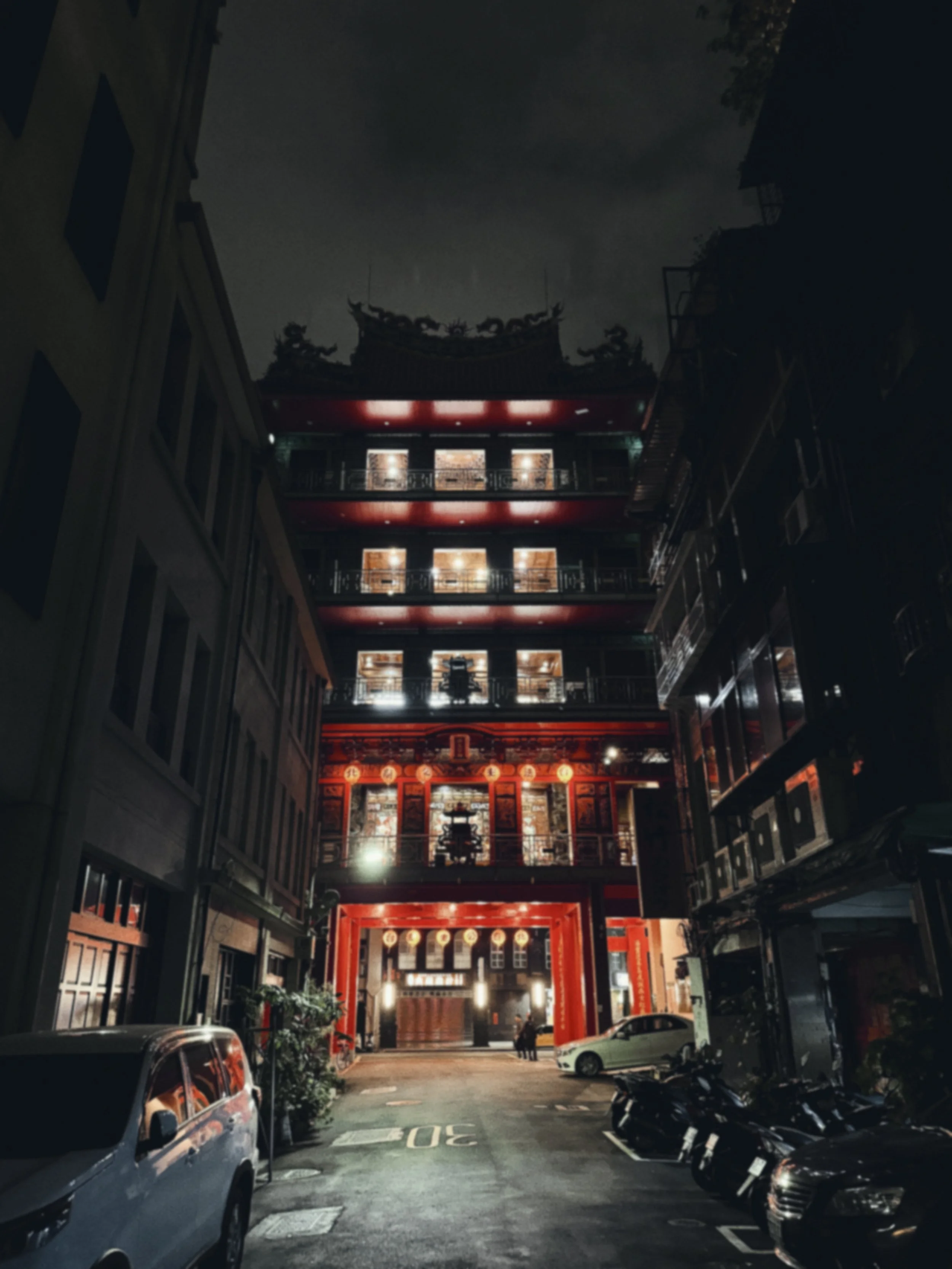
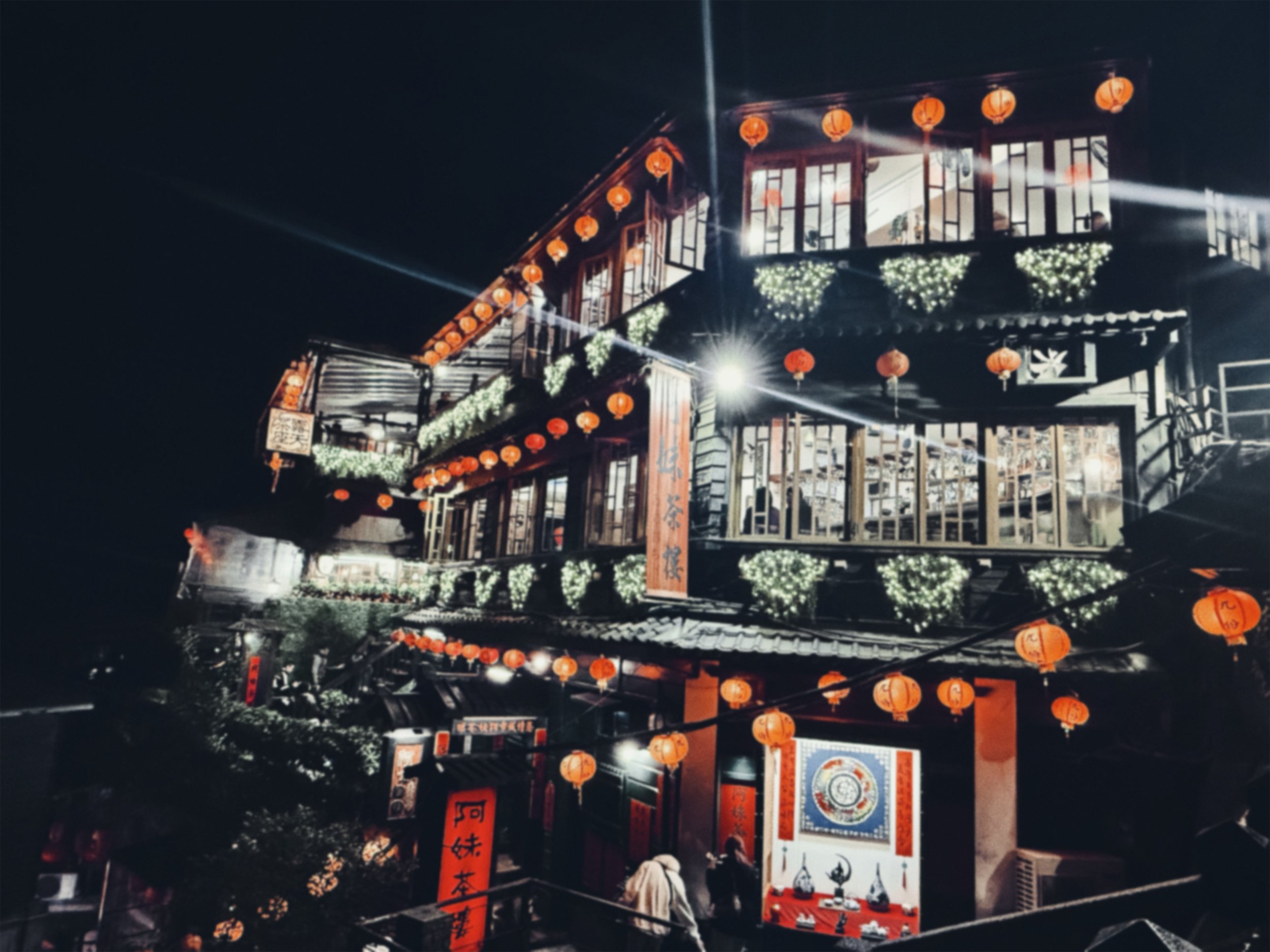
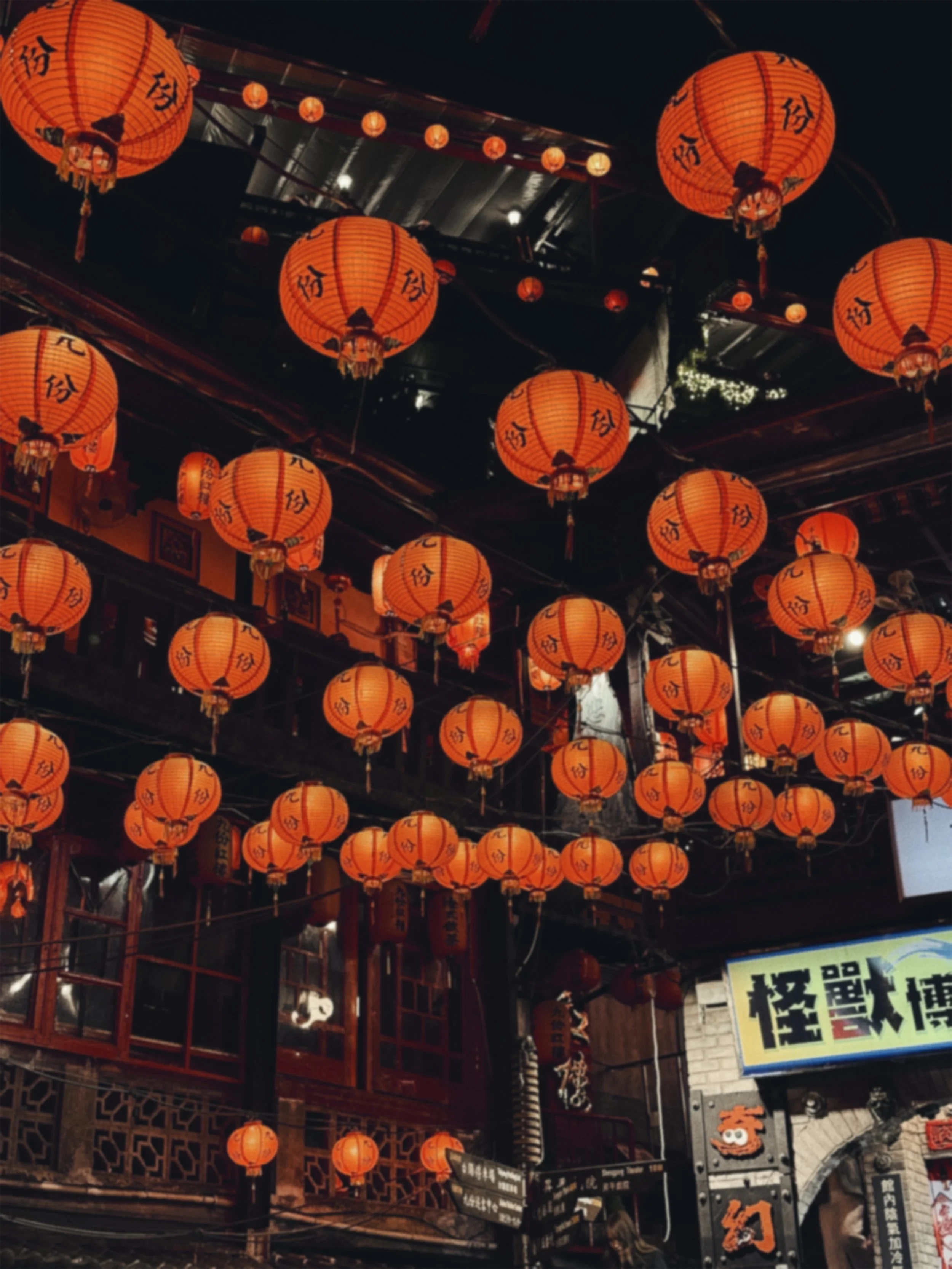
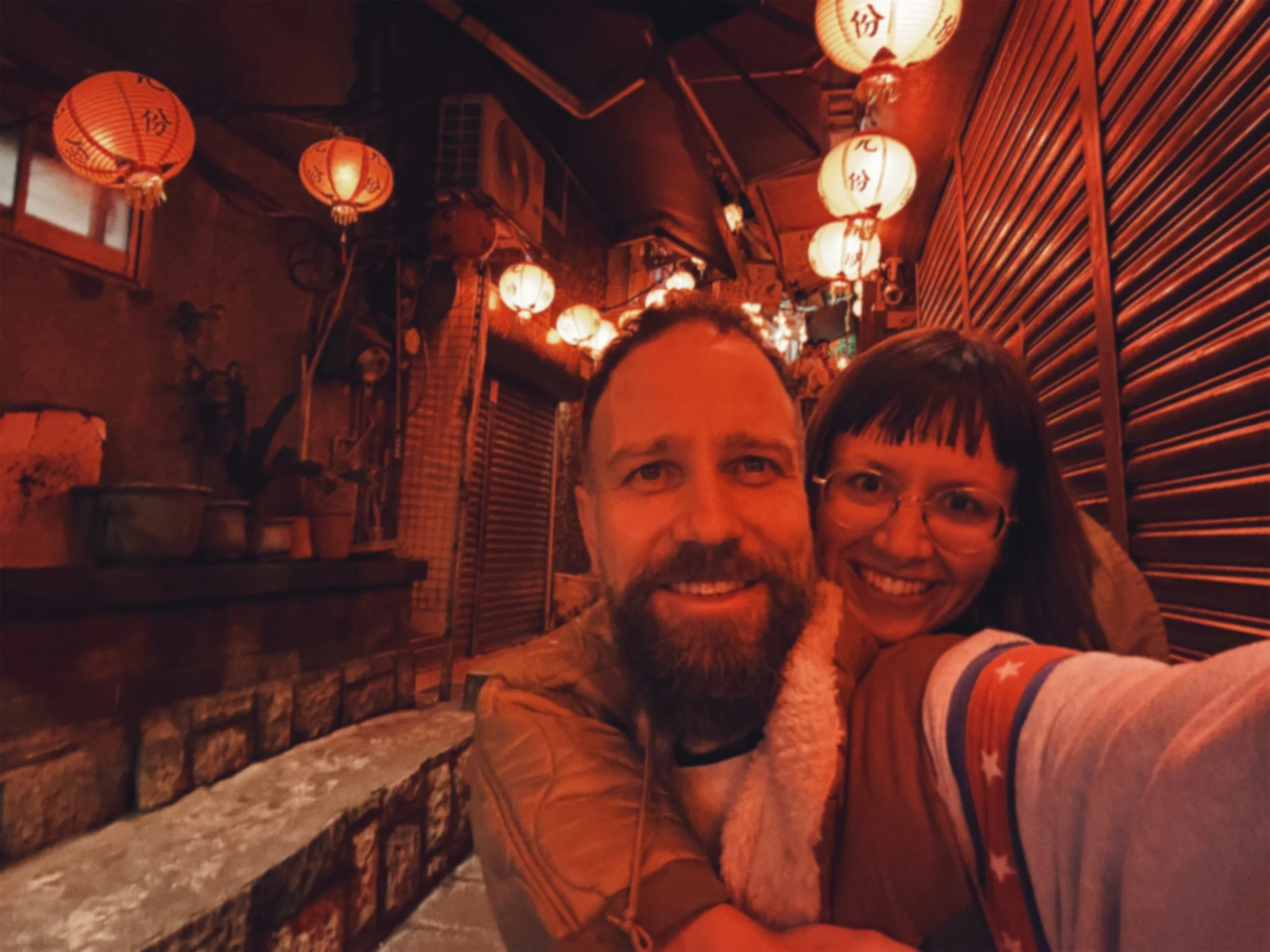
7. Jiufen is real, and it's worth the cliché. Yes, everyone says it looks like Spirited Away — and yes, Miyazaki has flatly denied any connection, saying he'd never even been to Jiufen. Doesn't matter. The red lanterns, the hillside tea houses, the narrow lanes dropping down to the sea — it's all there, and it holds up. We basically only spent the night for the atmosphere and left early the next morning, which turned out to be exactly the right call.
8. Taiwan has an extraordinary ceramics tradition. Yingge, just outside Taipei, has been the ceramics capital of Taiwan for over 200 years. The historic street is lined with studios and shops, ranging from tourist trinkets to serious collector pieces — one of the best places in Asia to buy something beautiful that will actually survive the flight home. We didn't make it this trip, but it's first on the list for next time.
9. Taiwanese design has a quiet confidence. You start noticing it everywhere — in the bookshops, the hotels, the packaging on a bag of tea. There's a particular Taiwanese aesthetic that manages to feel simultaneously local and international, rooted and forward-looking. The best single expression of it might be eslite: a bookshop chain born in Taipei in 1989 that grew into a full cultural institution — books, galleries, hotels, design objects. Its founder ran it at a loss for fifteen years because he believed in what it stood for. That kind of thing leaves a mark on a city.
10. Taiwan is far more mountainous than most people expect. Over 200 peaks above 3,000 metres. The island is essentially a dramatic spine of mountains with cities squeezed onto the coastal plains on either side — which is why the drive from Taipei to the east coast feels like crossing into a different world, and why Taroko Gorge exists at all. The mountains aren't a backdrop. They're the whole story.
11. The country has more 7-Elevens per capita than almost anywhere on earth. Around one for every 2,300 people. And they're not the sad, fluorescent-lit convenience stores you might know from elsewhere. In Taiwan, 7-Eleven is genuinely useful — and even more ‘advanced’ than a Berlin Späti: you can pay bills (and parking tickets :)), pick up parcels, print documents, buy a decent hot meal, and grab a cold beer at 2am — all at the same counter. It sounds like a small thing until it isn't, and then you start quietly mourning the ones back home.
How We Did It — A Rough Itinerary
Days 1–5: Taipei
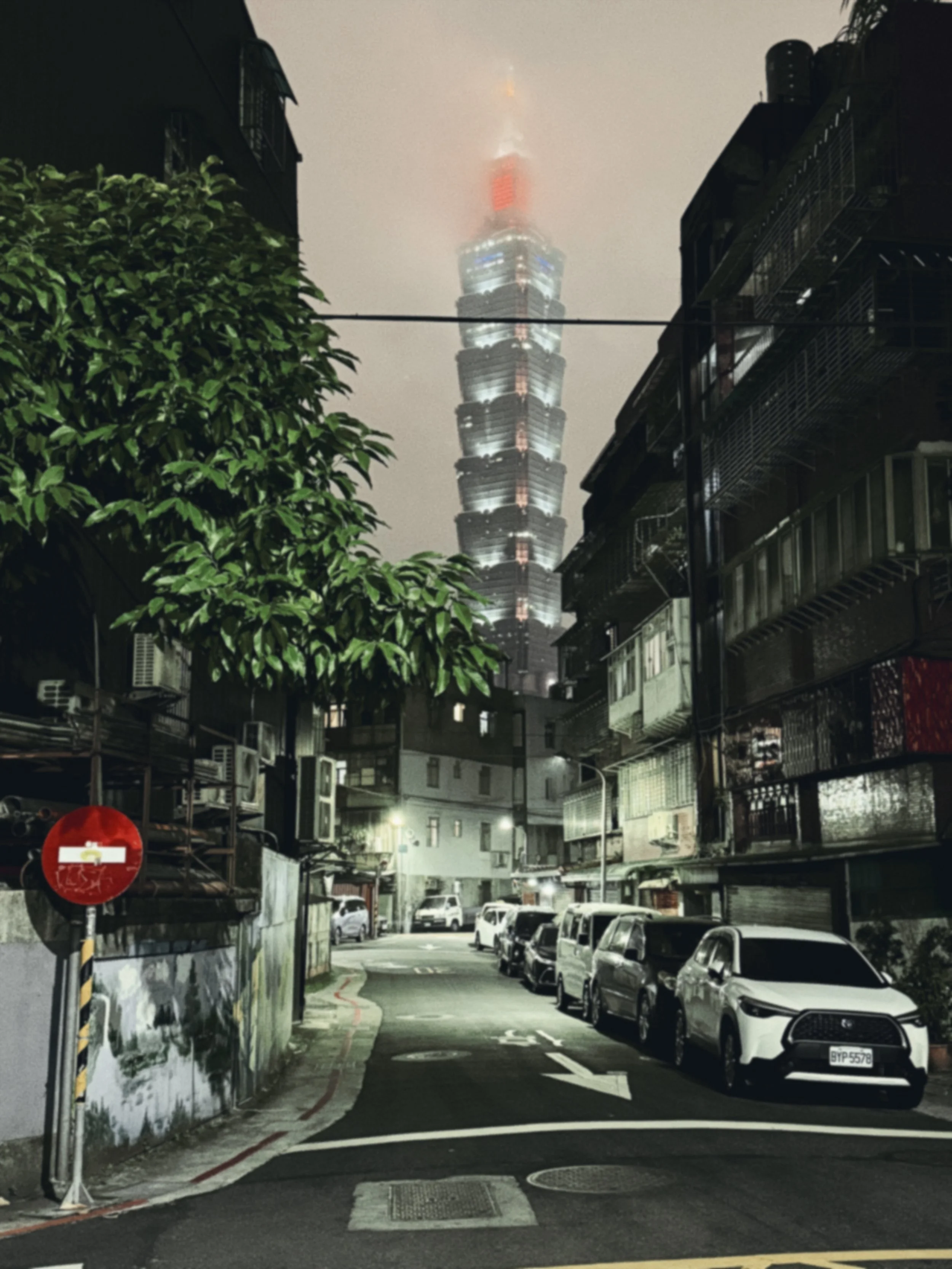
Give Taipei time. It rewards slowness. The first couple of days we used to just walk — get lost in Dadaocheng, find a teahouse, sit, repeat. Taipei is a city that reveals itself in layers, not panoramas. There's no single view that sums it up. You have to accumulate it.
The neighborhoods worth spending time in: Zhongzheng for the old-city gravity, Da'an for the eating and drinking, Zhongshan for the design shops and bars, and Xinyi if you want to understand the other Taipei — the glass towers and mall culture that coexist.
We'd structure the week loosely: a couple of days just orienting and eating, one day for Yingge and ceramics if you can manage it (we unfortunately ran out of time), and the rest just following your nose. Don't over-schedule. The best things happen between the things you planned.
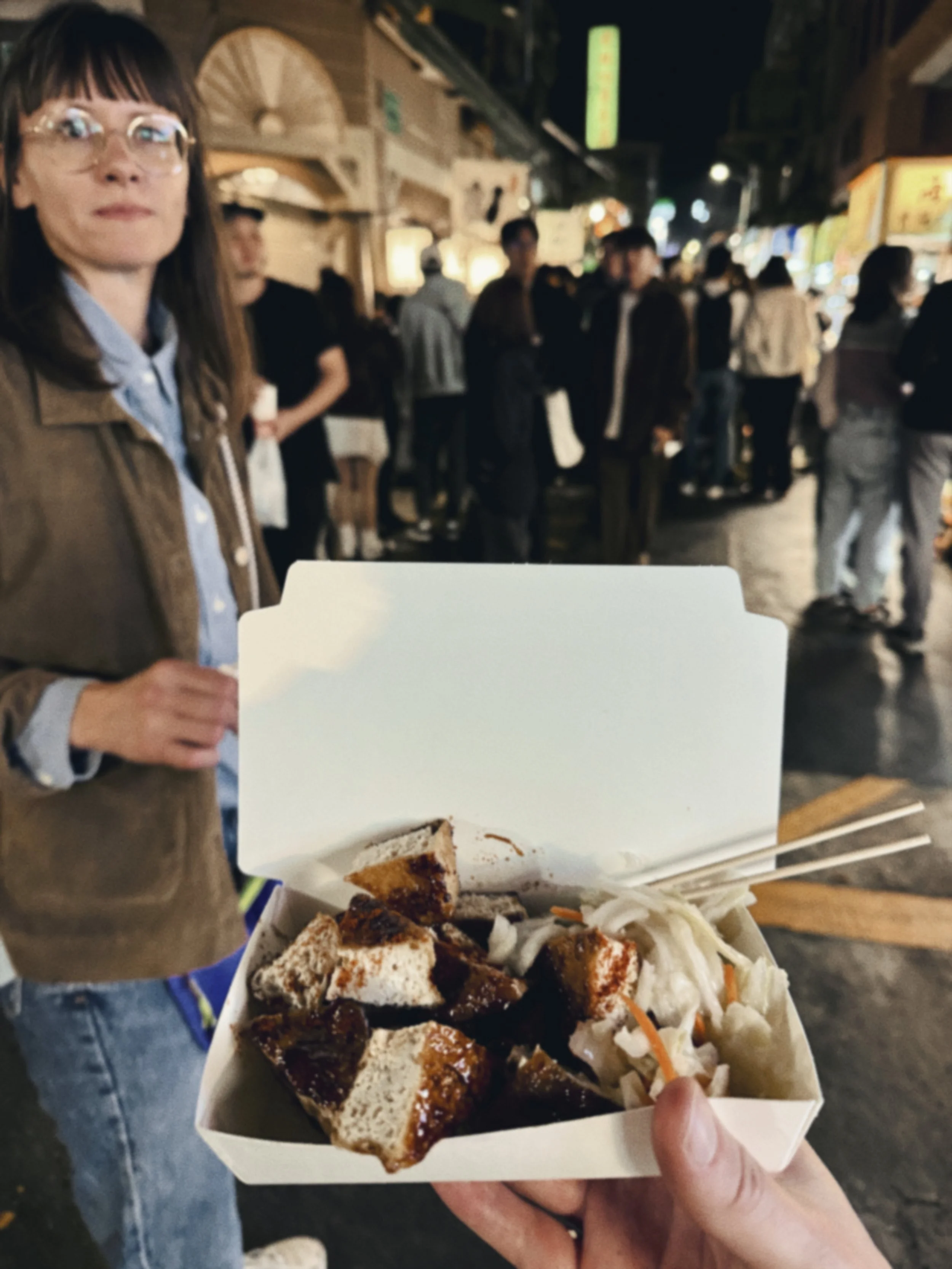
Night markets: do at least two or three, and pick different ones for different vibes. Raohe and Nanjichiang are our favorites — Raohe for the theatre of it, Nanjichiang for locals over tourists.
Days 6: Rental Car to the East Coast / Hualien
Renting a car and driving over the mountains to the east coast is one of the best things Sina and I have done in recent memory. The Suhua Highway (or the inland mountain route, depending on conditions) is dramatic in a way that makes your hands grip the wheel a little tighter. The scale of the geology is hard to process.
Hualien is the gateway to Taroko Gorge, which unfortunately we weren’t able to visit.
Hualien town itself is relaxed and unpolished in all the right ways. The night market here has a completely different character from Taipei — more east coast produce, more indigenous ingredients, more space to breathe.
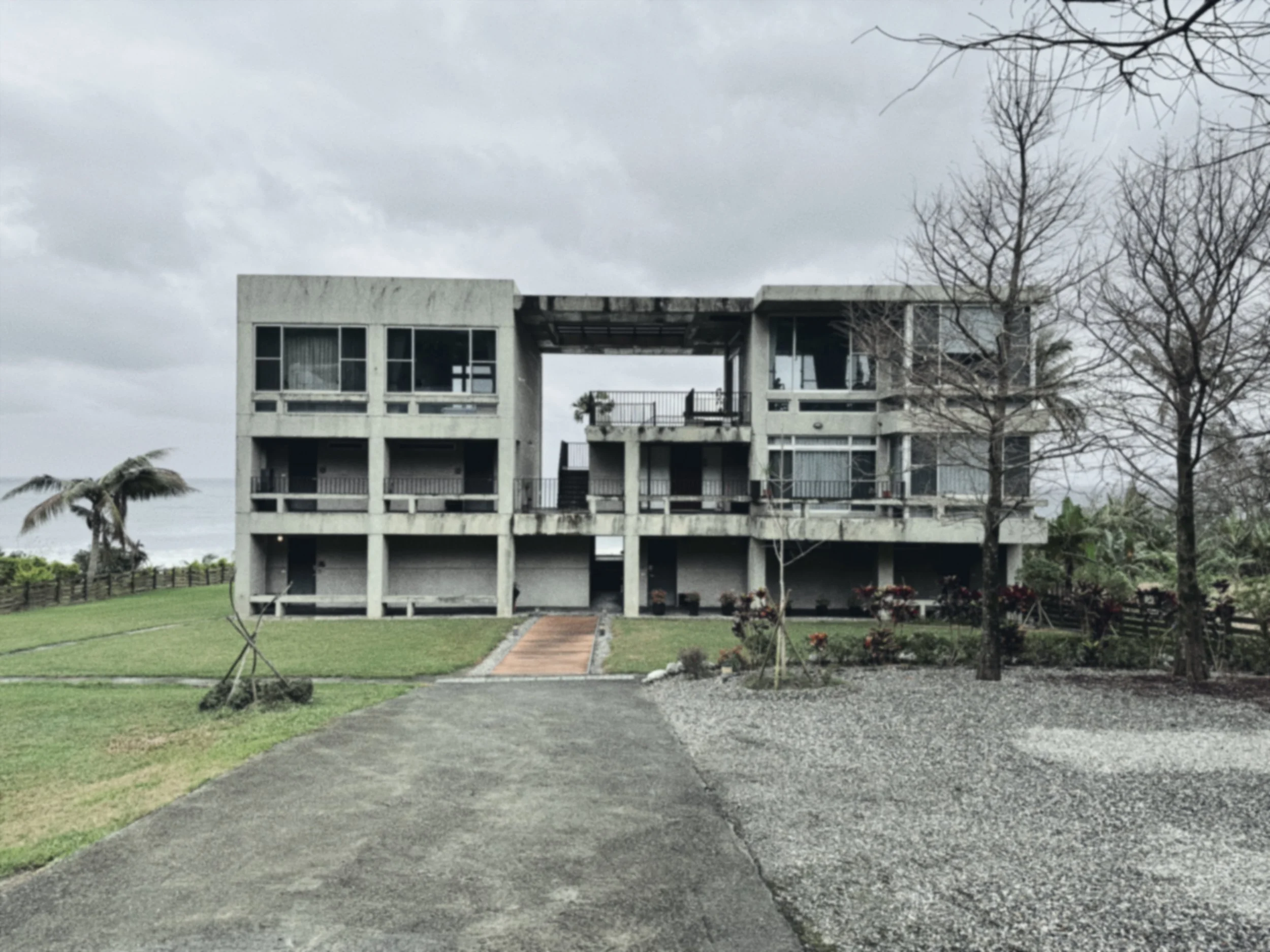
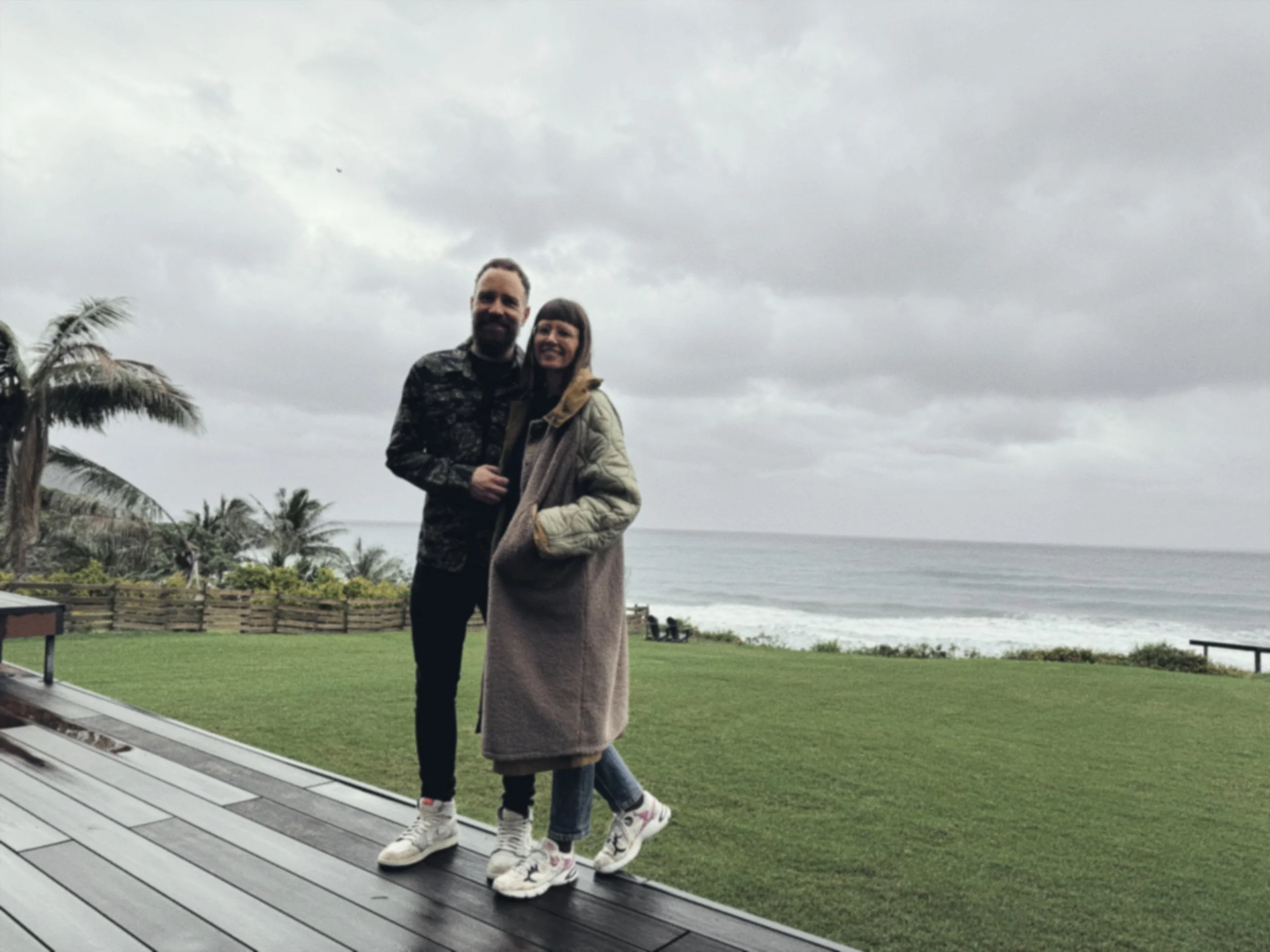
We stayed a little further South right on the ocean at Noosa 海岸行館.
Day 7: Jiufen
On the way back north, Jiufen. The old tea houses perched on the hillside, the red lanterns, the narrow lanes that lead to unexpected viewpoints over the sea. Get there before 10am or after 6pm and stay the night (as we did it). Have tea. Buy nothing you don't love. Walk slowly.
Days 8–9: Back to Taipei
The last two days in Taipei feel different after the east coast. The city seems bigger and faster and more alive. We used this time for the things we'd missed or wanted to revisit — a specific coffee shop, a bookshop we'd been meaning to get back to, a bar that was still on our list.
This is also the time for proper souvenir hunting: Songshan Cultural & Creative Park for design objects, moom bookshop for something beautiful to read on the plane, and one last round of bubble tea before the airport.
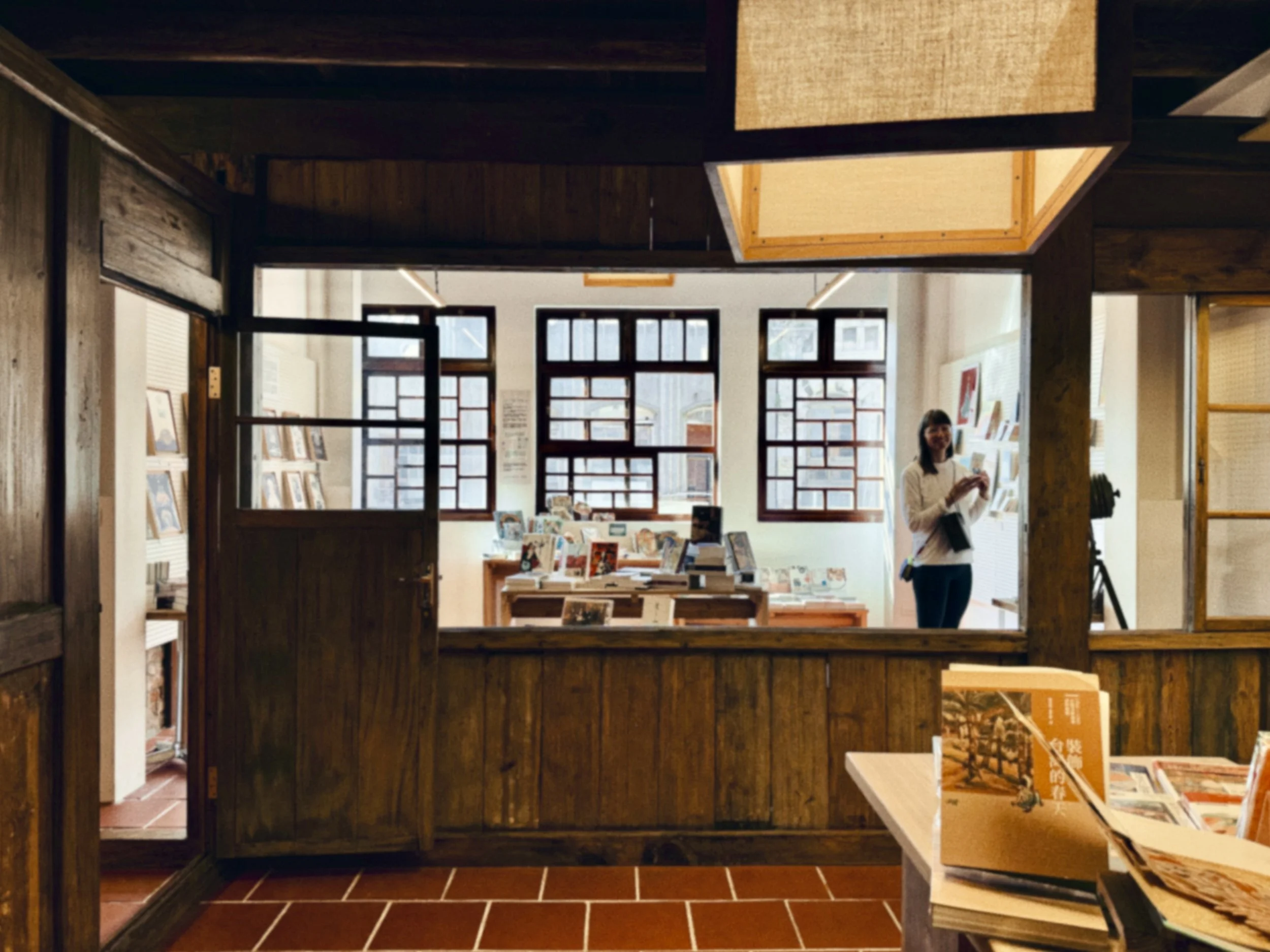
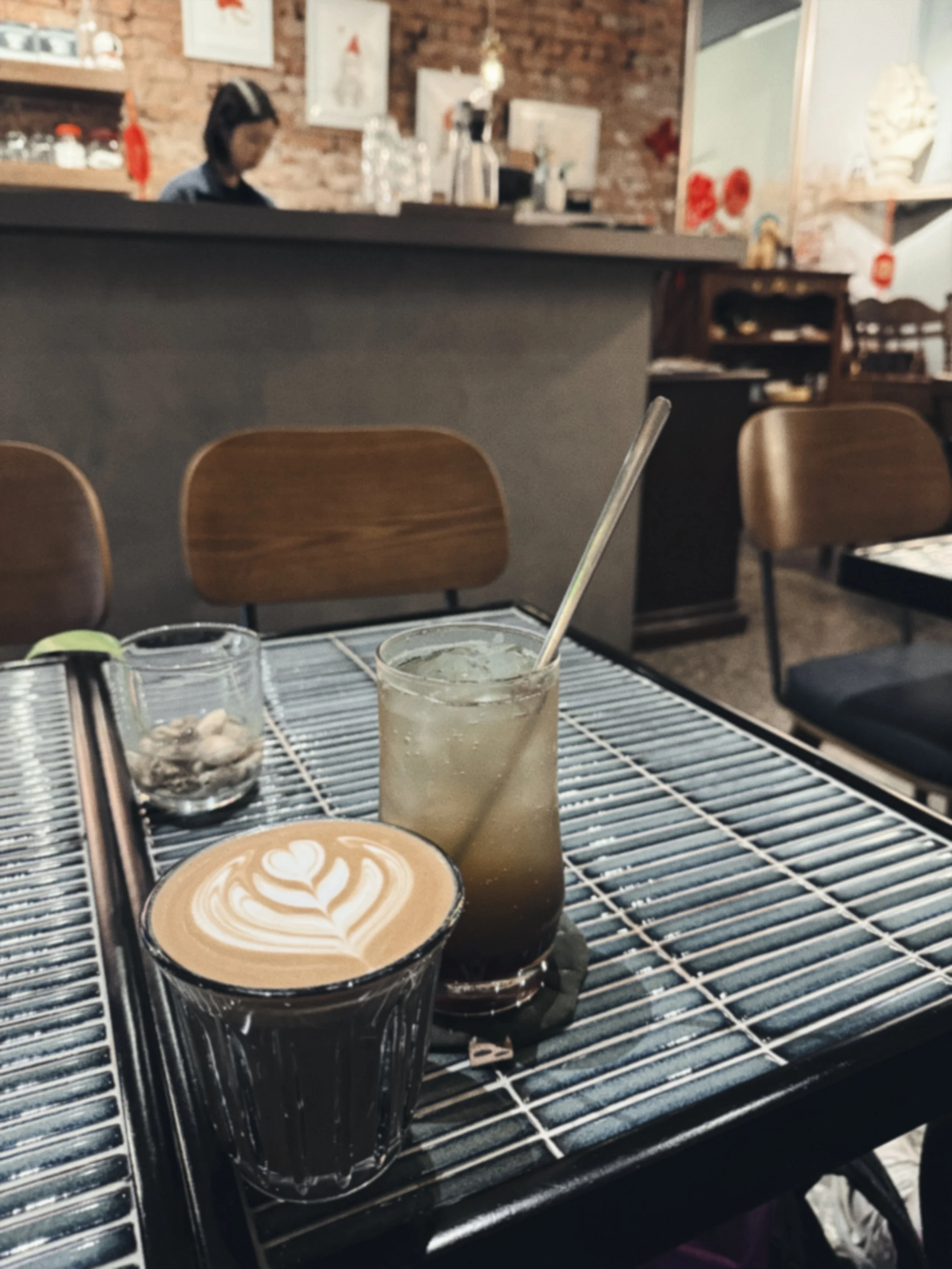
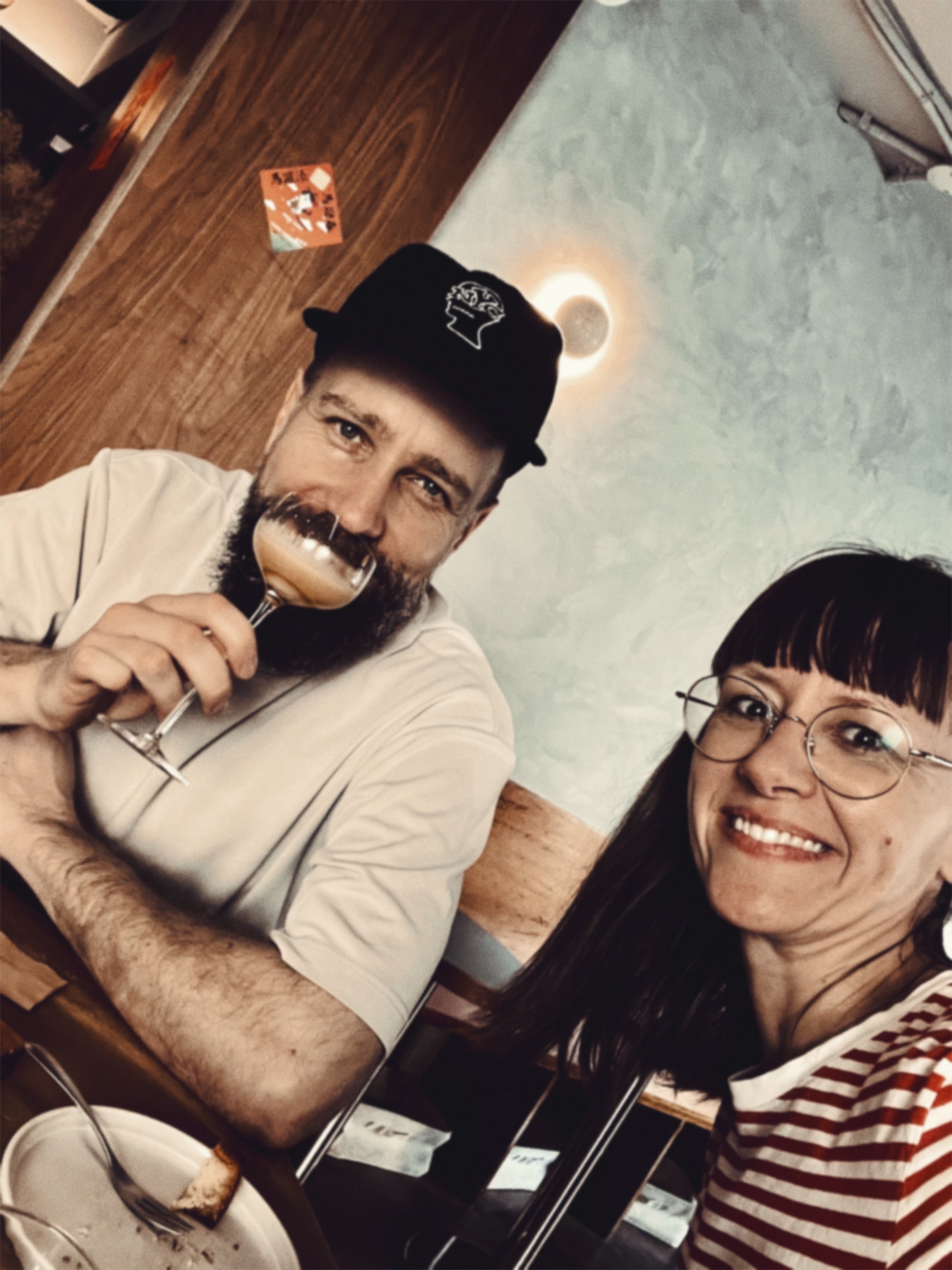
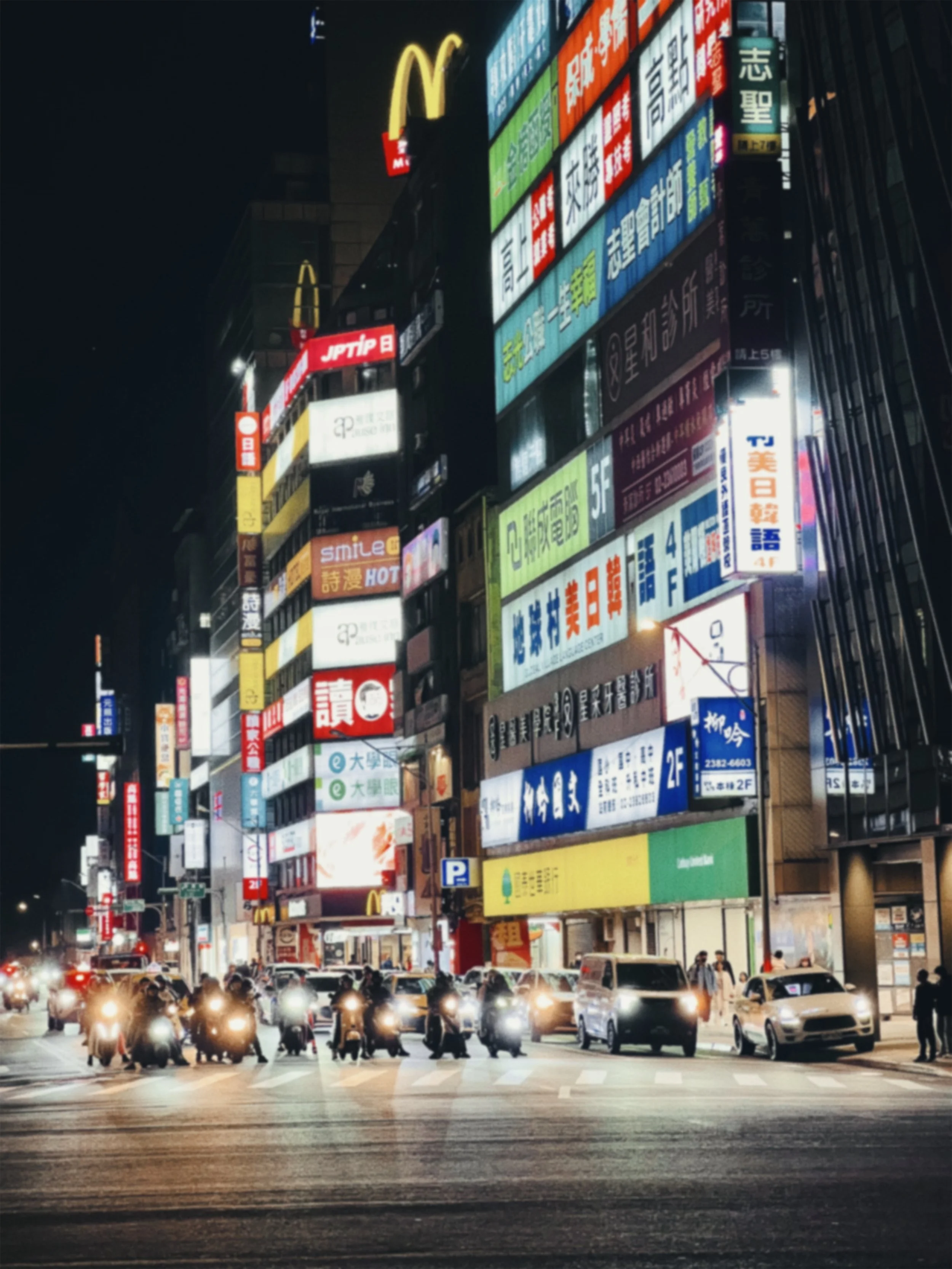

The Lists
Because you asked — most of these we discovered ourselves, some came straight from locals and friends we trust. All of them are worth your time.
Hotels
Originn Space — Design-forward, small (5 or 6 rooms) and independent. The kind of place that feels like someone actually thought about where to put things, then thought about it again. We stayed here the first nights. Would definitely book again.
Proverbs — Boutique, tasteful, well-located.
Capella — For when you want the full luxury experience done properly. Probably worth it for at least one night if the budget stretches.
Kimpton
citizenM — Smart value, simple design, well-executed. The rooms are small but the view from the 18th floor makes up for it.
eslite — The bookshop brand also has a hotel. It's exactly what you'd expect, which is to say: beautiful, considered, and full of good things to read. The brand took fifteen years to turn a profit. The attention to detail earned in that time shows.
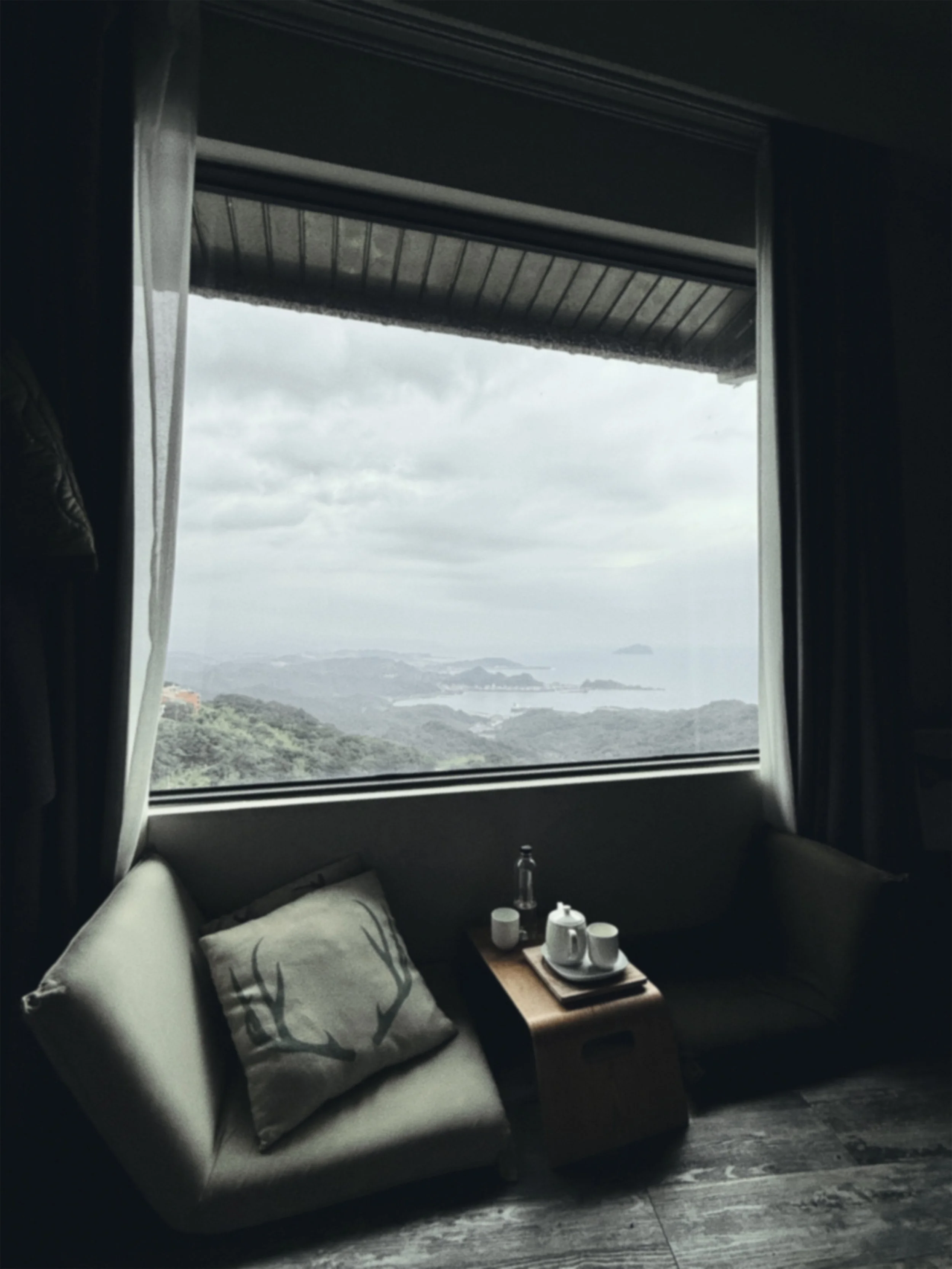
Noosa 海岸行館 — On the east coast. Unfortunately, we only stayed for one night. Would be a nice spot for a workation kinda thing: Working from an ocean-view room and exploring the close-by Taroko National Park.
Night Markets
Raohe — Our personal favorite. Long, busy, theatrical. Go for the Chinese burger somewhere in the center or the black pepper pork buns at the temple entrance — there's a queue and it's completely worth it.
Ningxia — Smaller and slightly more local-feeling than Raohe. Great oyster vermicelli and a more neighborhood atmosphere.
Daihu Street (during CNY) — If you're lucky enough to be in Taipei during Chinese New Year, this is where to go. Seasonal, special, and nothing like the regular circuit.
Nanjichiang — More of a daytime wet market that transforms at night. Fewer tourists, better produce, the kind of place where you eat things you can't quite identify and don't regret it.
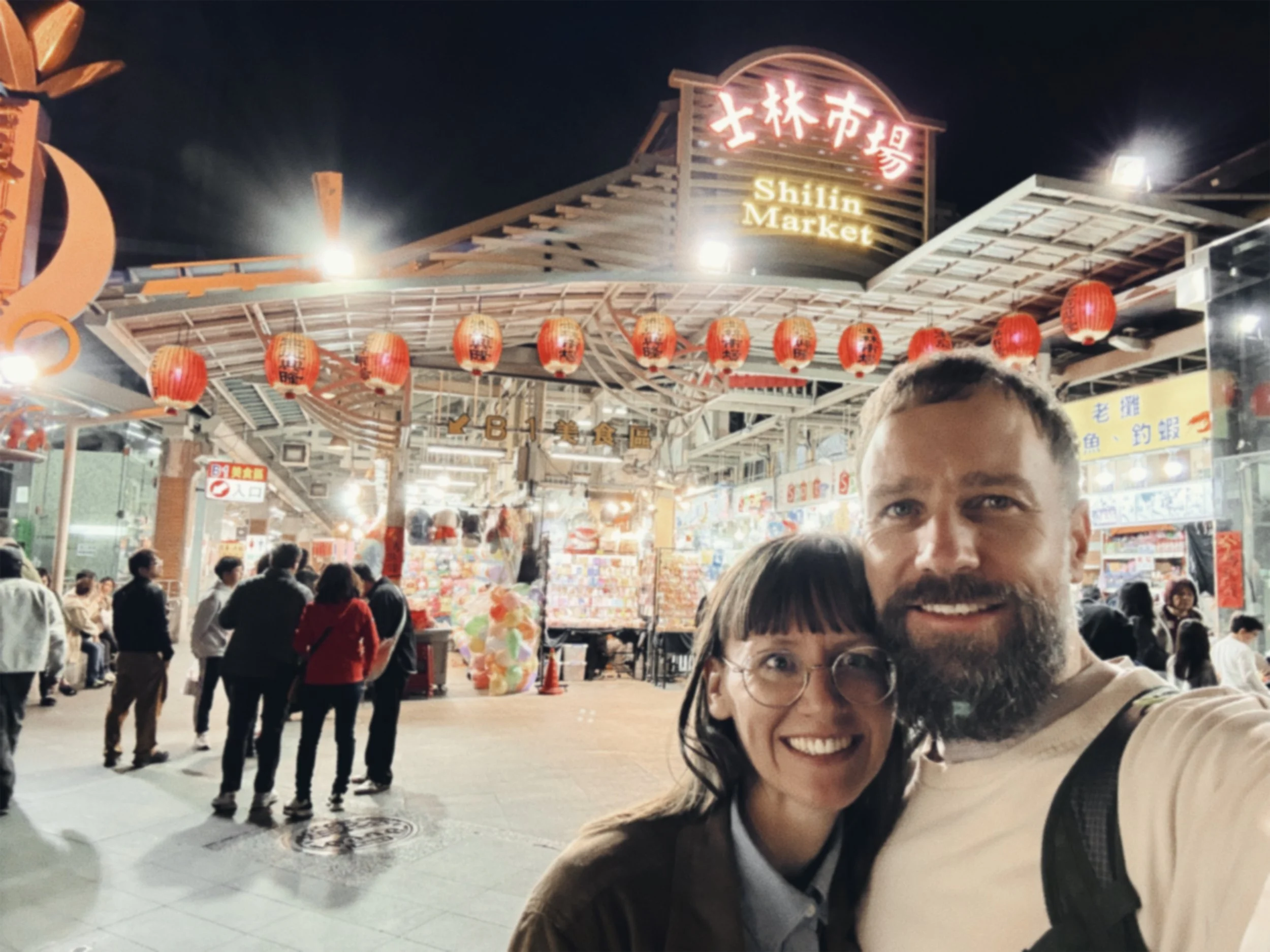
Shilin — The biggest and most famous. More tourist infrastructure, but still worth seeing once for the sheer scale and spectacle.
Hualien (East Coast) — Completely different character from anything in Taipei. Local seafood and more breathing room. A welcome contrast after a week in the city.
Drinks & Bars
East End — One of Taipei's best cocktail bars. Serious craft, relaxed atmosphere. Get there early or prepare to wait.
Hiboru — Japanese-influenced and precise. The kind of bar where you trust the bartender completely and just say "surprise me." They will.
unDer Lab — Underground (literally), creative, worth the journey. Not always easy to find, which is part of the point.
A Glass or Two — Natural wine bar energy. Low-key, good list, good people. The name does what it says.
Bar Pine — Named for the reason you'd expect. Intimate, considered, excellent. One of those places you want to keep to yourself.
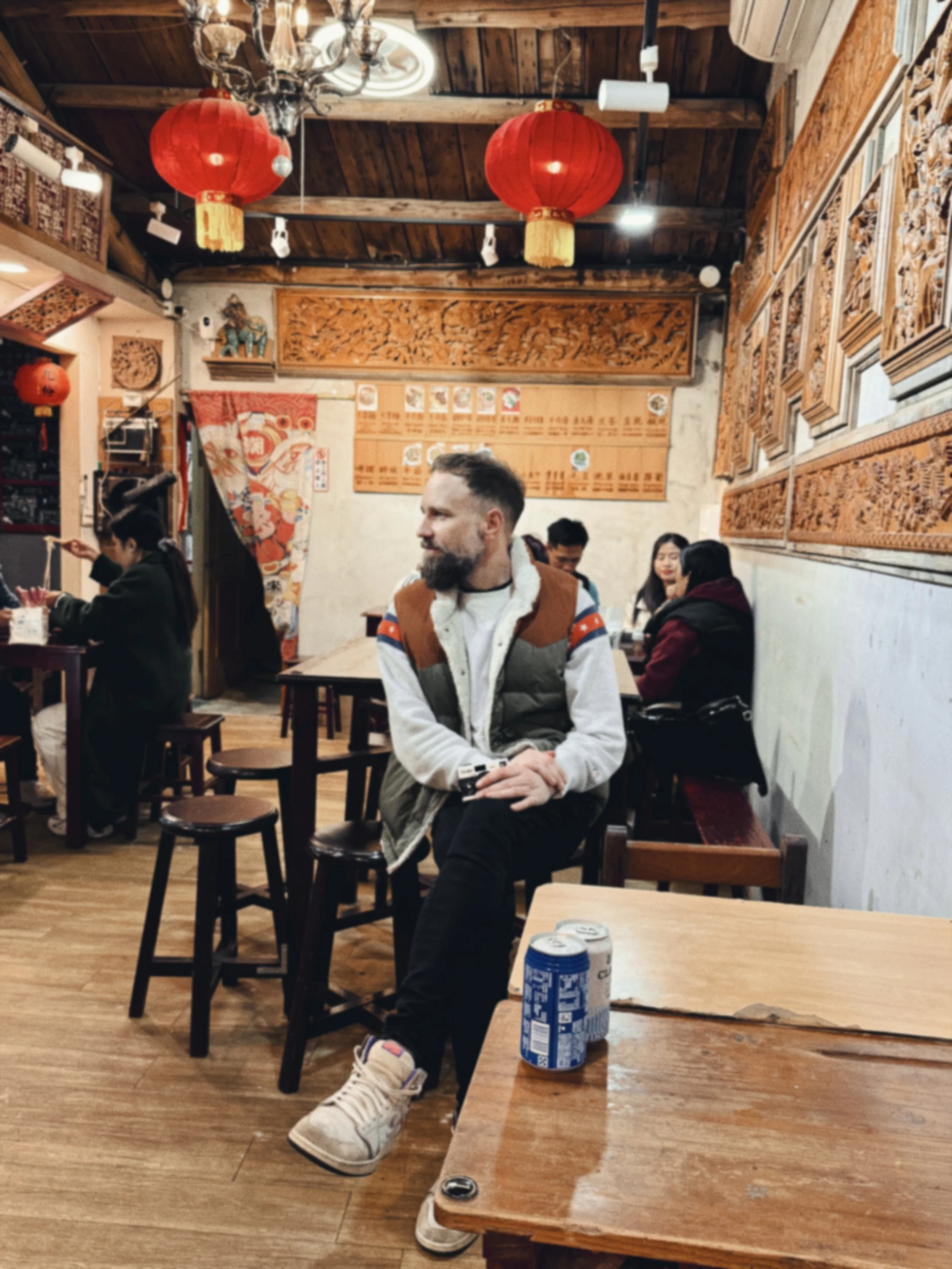
Authentic Bar (Bar Otani) 小谷 — One of the quirkiest bars we've ever been to. Don't be put off by the many rules posted at the entrance — no fragrances, no Apple Pay, a list of conditions that could intimidate anyone into walking away. Push through. The bartender is a very kind Japanese guy making genuinely incredible drinks, and since we were the only guests that night, we ended up talking about life in Taipei for hours and walking out with some of the best recommendations of the whole trip.
AKA QUANDO BAR — Tea-based cocktails built around a menu of six or seven (don’t remember) drinks that escalate in intensity from one to the next. The kind of concept that sounds gimmicky and turns out to be exactly right.
WA-SHU — Another bar run by a Japanese bartender, another reason to trust that combination completely. Great atmosphere, great drinks, easy to love.
Hanko60 Bar — Worth adding to the evening rotation. Solid cocktails, good energy.
City North Bar — The cocktails lean a little sweet, but the atmosphere is genuinely cozy and the entrance is worth it alone: you walk through a restaurant to get there, which makes the whole thing feel like a secret even when it isn't.
Jim & Dad's Taipei 吉姆老爹 — The best local craft beer we had in Taiwan, brewed by a father and son. The Da Dao Cheng location has the right amount of personality. Order a few, stay longer than you planned.
Bubble Tea
Chun Shui Tang — The original. Founded in Taichung and credited with inventing bubble tea in the 1980s.
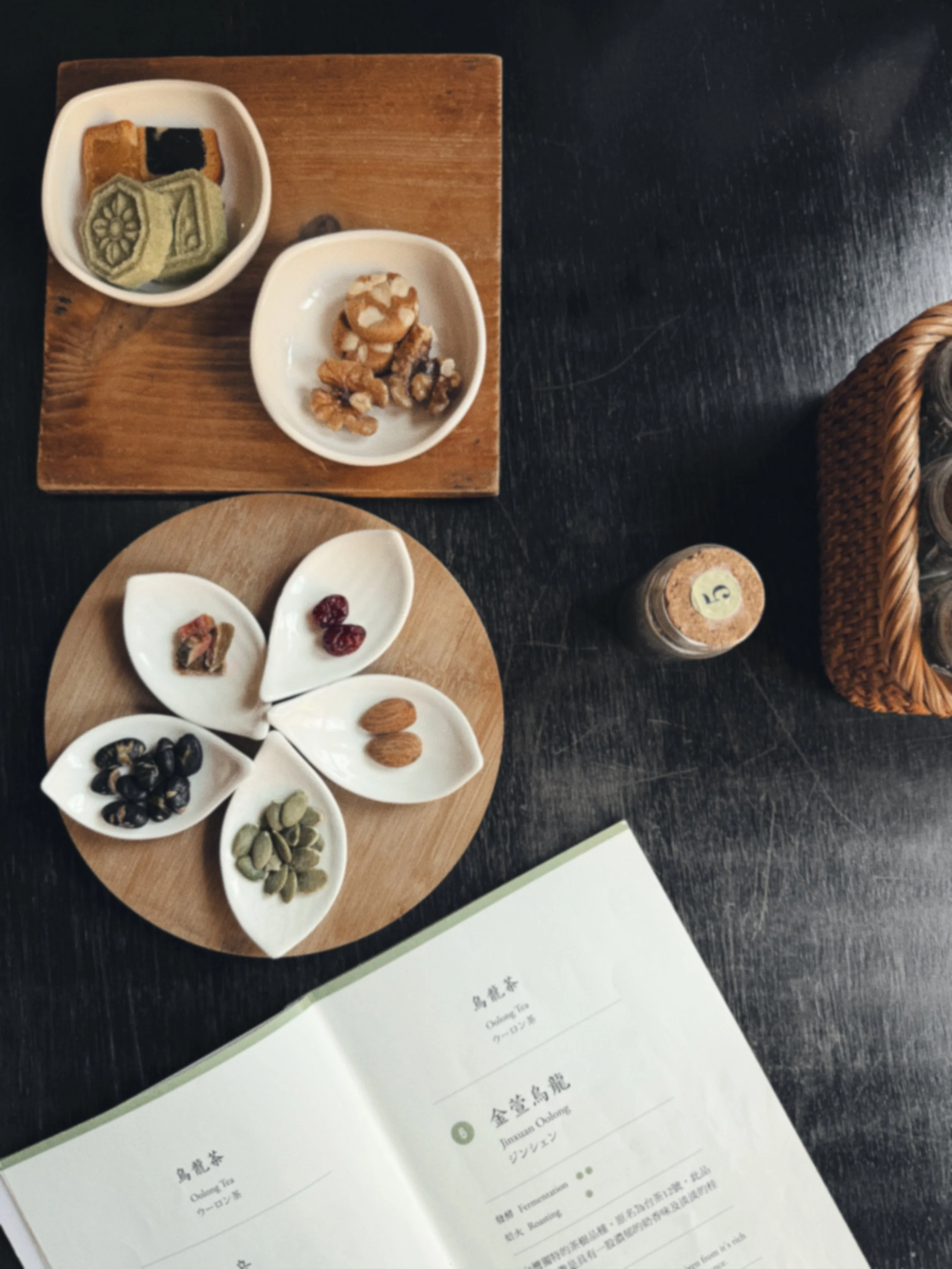
Oolong Tea Project — Tea-first, bubble tea second. The oolong selection alone justifies the visit.
Nap Tea — For when you want something a little more playful. Good quality, relaxed atmosphere, easy to love.
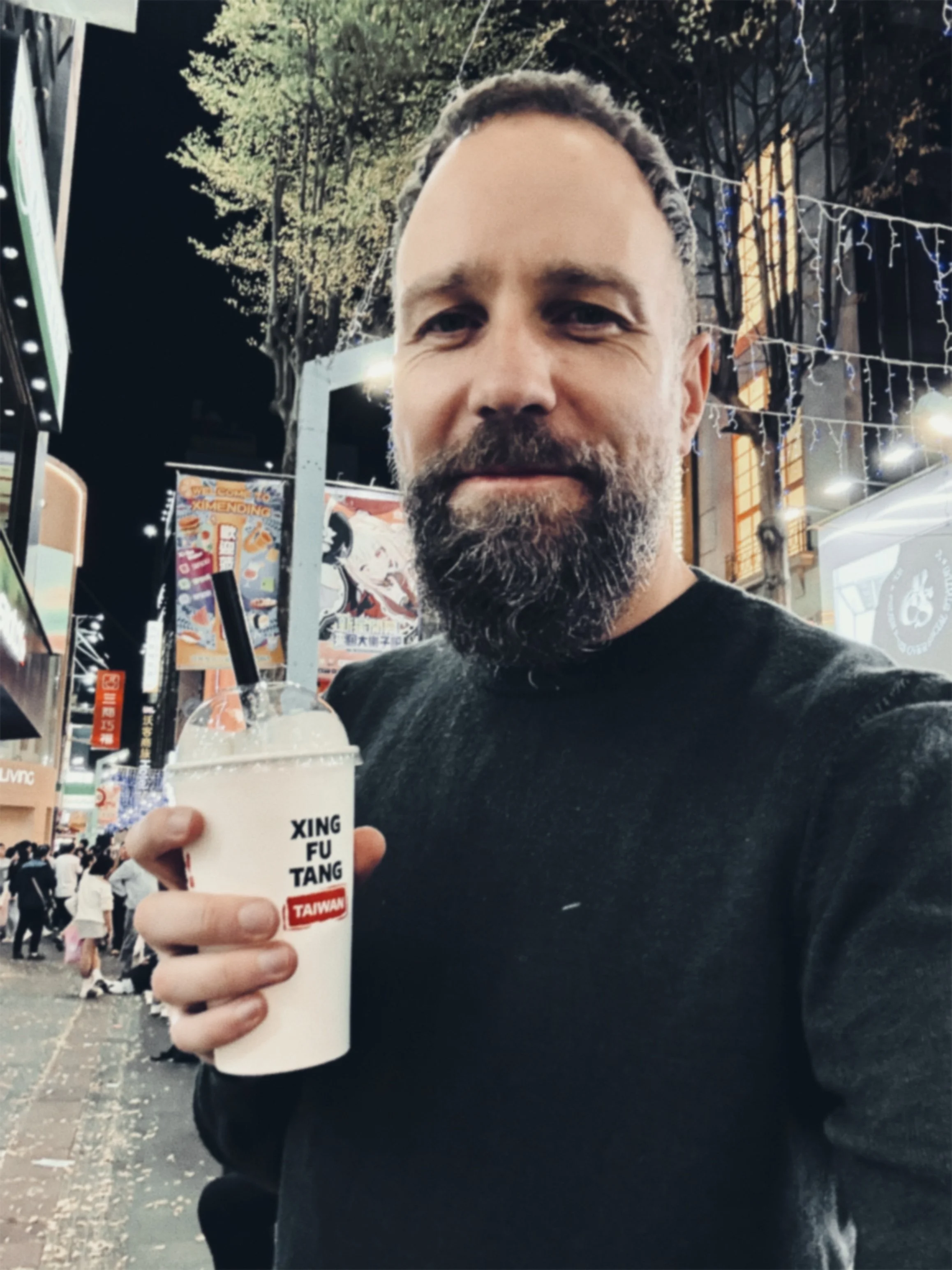
Xing Fu Tang — Brown sugar bubble tea done seriously well. Watch them make it at the counter if you can.
Tea
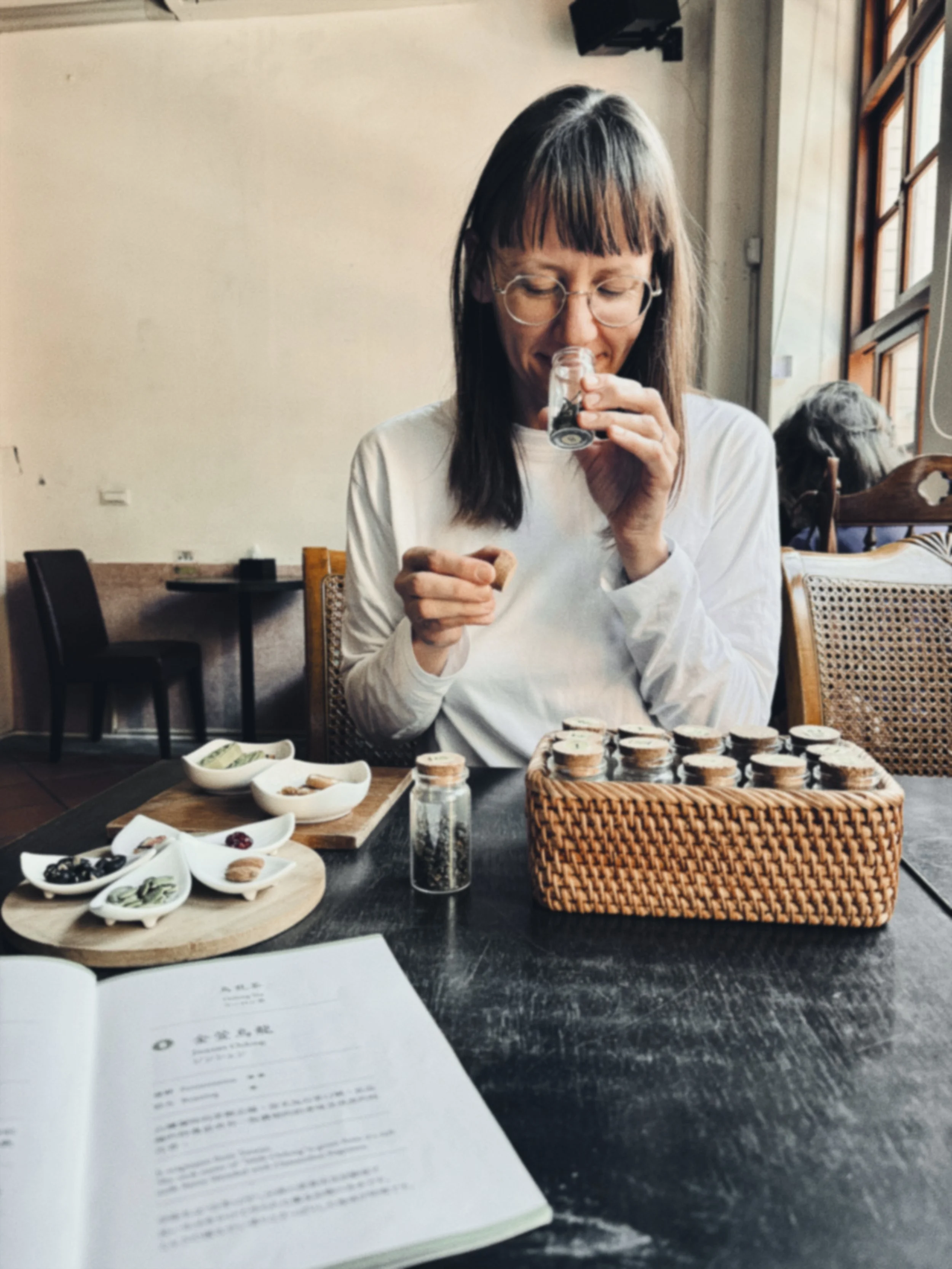
鴻德茶業行 — The best tea shop we found in Taipei. The owner is lovely, genuinely knowledgeable, and will spend real time with you if you let him. Buy more than you think you need.
South Street Delight Tea House 南街得意 — A proper tea house, not a café with tea on the menu. The kind of place that slows everything down by about twenty minutes, which is exactly the point.
Breakfast
Chongqing Soy Milk and Fried Egg — Known for its deep-fried dan bing. A proper Taiwanese breakfast stop, no frills, all flavour. (32, Lane 335, Section 3, Chongqing North Road)
Fu Hang Soy Milk — A traditional favourite with long queues that tell you everything you need to know. Worth every minute of the wait. (108, 2nd Floor, Section 1, Zhongxiao East Road)
Lao Jiang's House — Open around the clock, all week. The kind of place that exists specifically for when you need breakfast at 3am and don't want to explain yourself. (110 Yanji Street)
Miss Qin's Soy Milk — Try the signature dan bing with long beans. Simple, considered, quietly excellent. (7-6, Yanji Street)
Nite-Nite Breakfast — A quieter spot with quirky flavour combinations that shouldn't work and somehow do. (37, Lane 127, Gangqian Road)
王媽媽早餐店 Mama Wang's Breakfast — Exactly what the name promises. Local, no-nonsense, deeply comforting.
Food
YongKang Beef Noodles — Taipei's most famous bowl of beef noodle soup. There's usually a queue. It's worth it.
Liu Shandong Beef Noodles — A different take on the same obsession. Lighter broth, different personality, worth comparing.
Taiwanese Meatball (Ba-wan) — A street food classic that sounds simple and absolutely isn't. Chewy, sticky, savory, with a sauce that varies by vendor. Try as many versions as you can.
Scallion Pancakes, Gongyuan Road — One of those things that sounds like a snack and turns out to be a meal. Find the stall, join the queue, eat immediately.
Fu Jen Cri — Worth seeking out. Bring hunger and an open mind.
Din Tai Fung — Yes, it's a chain. Yes, it's everywhere. And yes, locals still say it makes the best xiao long bao in the city, which at this point is almost a more impressive feat than being an underdog. The dumplings are precise and very, very good.
Coffee
noon — Natural light, good music, exceptional coffee. They have a three-course coffee menu. Try it.
Oasis — Serious about sourcing, relaxed about everything else.
GaBee — An institution.
Sidoli Radio — The name alone. Great space, great espresso, slightly cult following.
Rebirth
Moonshine
absent presence
Ceramics
Yingge Historic Ceramics Street — An entire town built around clay and fire, two hundred years running. Give it a full morning. Buy something you'll actually use. It will survive the flight home. (On our list for next time — we didn't make it this trip, which we're still not over.)
溫事 — A beautiful little ceramics shop in Taipei itself, for those who can't wait for Yingge. Carefully curated, very covetable.
Stationery
Plain Stationery, Homeware & Café — The combination of stationery and coffee is either genius or dangerous, possibly both. Beautifully stocked, easy to overspend.
Tools to Liveby — The name is aspirational in the best way. Quality goods, sharp selection, the kind of shop that makes you want to write more letters.
Molly Lifestyle Stationery — Playful, considered, harder to leave empty-handed than it looks.
eslite — The bookshop also has one of the best stationery sections in the city. Already worth going for the books; the stationery is a bonus.
Other Recs & Gifts
Songshan Cultural & Creative Park — Former tobacco factory turned design hub. The tenants rotate but the quality stays high. Good for gifts, good for browsing, good for a slow afternoon with no fixed agenda.
The Red House — A historic market hall in Ximending that's found a second life as a hub for independent designers and gift shops. More interesting than the surrounding area might suggest.
Bleu & Book 華山青鳥 — Part bookshop, part lifestyle store, part café. Located in the Huashan 1914 Creative Park complex. The kind of place you go in for fifteen minutes and leave forty-five minutes later with a book you didn't expect to buy.
A Design & Life Project — Gifts, homeware, and coffee under one roof. Thoughtfully assembled, consistently good taste.
moom bookshop — Thoughtfully curated, beautifully presented. The kind of independent bookshop that makes you buy things you didn't know you needed and somehow doesn't feel like a mistake.
We'll keep adding to this as we go back — and we will go back. Taiwan has a way of making sure of that.